-
Who's Online 15 Members, 1 Anonymous, 182 Guests (See full list)
-
Activity Stream
-
666
2026-2027 California and Southwest Weather Thread
NWS has added a 40% of rain showers on thursday! -
2486
May 2026 Weather In The PNW
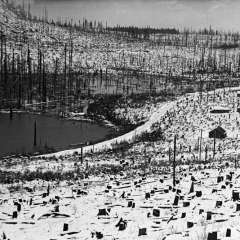
I understand the ecological benefits, but there are plenty of snags in the woods that aren’t 5 feet from roads. And absolutely, all dead trees near roads and power lines are cut here, and much of this area is heavily wooded. In fact every dead tree within a certain distance of a roadway is required to be removed within a specified timeframe (don’t remember exactly what it is). The importance of that became all too clear after the ash borers tore through a decade ago, lining the roadways with snags that inevitably dropped on cars and people. By the end of 2018 all of them that weren’t cut down had dropped naturally except in the most sheltered locations, it was ~2yrs at most.- 1
-

-
2486
May 2026 Weather In The PNW
It was 100°F here last week. If it weren’t for these last few days of blessings, we would have easily run a positive departure for the month.- 2
-

-

-
2486
May 2026 Weather In The PNW
In the PNW, tree snags are important for wildlife (woodpeckers, owls, bird, bats, etc.). Once they fall, they can become nurse logs which is also an important component of our forests. In this case, it looks like they're in water so if they fall they can be important for fish, amphibian, bird, fungi, and insect habitat. I'd bet the majority of those tree snags will still be standing in 2 years, despite their roots being submerged and them being dead. I'd also bet some will fall, and maybe on the road. And certainly there are deaths each year from falling tree/tree limbs onto cars during windstorms. However, if every dead tree within falling distance of a road had to be removed in the PNW, that'd get prohibitively expensive real quick. Heck, we can barely get PSE to clear dead trees that are currently leaning on electrical lines.- 2
-

-

-
2486
-